How to Store Miniature Relays
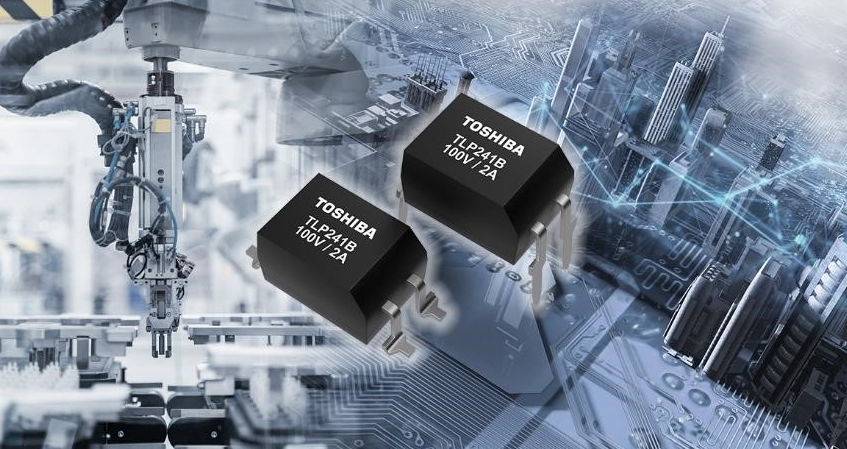
Miniature relays are critical components in many electronic and electrical systems. Proper storage methods can extend their lifespan and ensure reliable performance when used. Below is a detailed guide on how to store miniature relays.
Storage Environment Requirements
1. Temperature Control
Recommended Range: -40°C to +85°C (refer to the specific limits provided by the manufacturer).
Avoid extreme high or low temperatures that may cause damage to internal components such as coils or contacts.
2. Humidity Control
Ideal Humidity: 40% to 60%.
Relays should not be stored in very humid environments because high humidity can promote oxidation or corrosion on internal contacts.
Use desiccants in the storage container to absorb any excess moisture therein.
3. Keep away from dust and contaminants. The storage area should be clean, free from dust, grease, or other contaminants which may penetrate the relay to cause malfunction.
4. Avoid vibration and shock During storage or transportation, relays have to be secured against impacts, vibration, or dropping.
2. Packing and Labeling
1. Store in Original Package
Factory Packing: It offers complete protection against moisture, shock, and static-a superior type of protection for a relay.
If the original package is opened, seal for storage.
2. Anti-Static
Electrostatic Protection: Relays should always be stored in anti-static bags or containers to protect them from static electricity.
3. Labeling
Storage packages should be marked with the following information:
Model Number: To ensure easy identification.
Production or Purchase Date: To manage inventory.
Storage Time: Note the recommended storage time as suggested by the manufacturer.
3. Storage Location Management
1. Categorized Storage
Store relays based on type, model, or application for easy retrieval.
Use transparent containers or labeled compartment boxes to avoid mix-ups.
2. Avoid Direct Sunlight
Prolonged direct sunlight may cause aging or discoloration on the casing and degrade performance.
3. Keep Away from Magnetic Fields
Do not store relays near strong magnetic fields since these may interfere with coil performance or magnetized components.
4. Prevent Chemical Corrosion
Avoid placing the relays near chemicals or corrosive gases, including acids, alkalis, and volatile solvents.
4. Periodical Inspection and Maintenance
1. Routine Visual Inspection
Relay cases for cracks, deformation, and other mechanical damages should be checked.
Ensure that no oxidation, rust, or contamination is on the pins.
2. Performance Tests
All relays stored for more than six months shall be performance-tested before use to make sure that they are working correctly.
3. Storage Conditions
Periodically check temperature and humidity in the storage environment to ensure that recommended standards are being met.
5. Key considerations
Prevent Long-term storage: Even though relays normally can be kept longer, long time storing would affect their performance. Project procurement should be well planned, avoiding backlog.
Pre use inspection: Before installation, ensure that the relay's appearance and electrical performance are normal and operate reliably.
Follow the manufacturer's guidelines: strictly adhere to the storage recommendations provided by the manufacturer to get the best results.
6. Conclusion
In addition, storage issues of miniature relays should be paid more attention to temperature, humidity, dust, and electrostatic protection. Adopt classification management, carry out regular checks, and restore performance. The correct storage methods will guarantee that it works without any problem during installation and use, and prevent the relays from early failures due to bad storage.
For more optimization in relays' storage, please contact us according to the specific relay model and the application scenario.
How to choose the appropriate PCB relay