How to avoid relay malfunctions

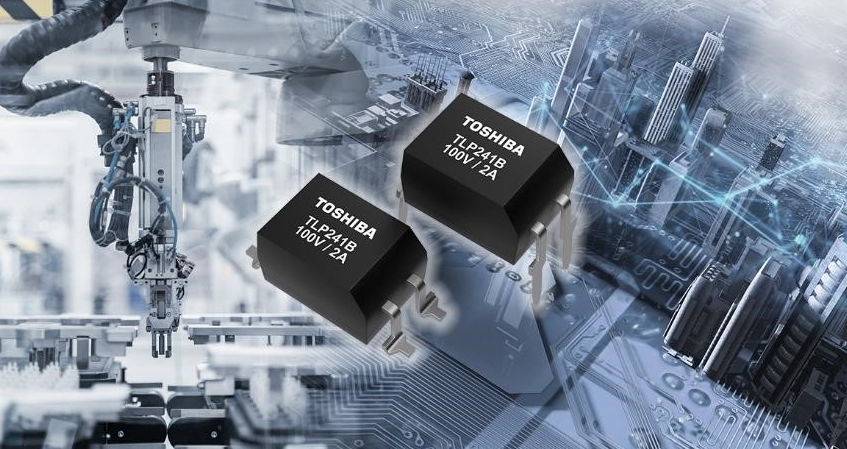
In daily life, whether it is household appliances, cars, or electrical systems in automated factories, relays are used to ensure the safety of circuits. During our use, there are always relay failures that prevent us from working. However, how can we reduce relay failures?
QIANJI, a top relay supplier in China, click to get relay solutions and provide you with high-quality and affordable relays.
Reasonable selection
1. Select the appropriate type of relay based on actual circuit requirements. Different application scenarios have different requirements for relays. For example, in high voltage and high current environments, relays that can withstand corresponding electrical parameters need to be selected; In situations where switching speed is required, fast acting relays should be selected.
2. Consider the load capacity of the relay. Ensure that the load parameters of the selected relay (such as current, voltage, power, etc.) can meet the actual load requirements and avoid relay failures caused by overload.
3. Pay attention to the environmental adaptability of relays. The environmental adaptability of each relay is different. If the working environment of the relay is harsh, such as high temperature, high humidity, strong vibration, etc., a relay with corresponding protection level and environmental resistance characteristics should be selected.
This T90 relay has strong resistance to high temperatures and dust. Can also adapt well to harsh environments
Correct installation
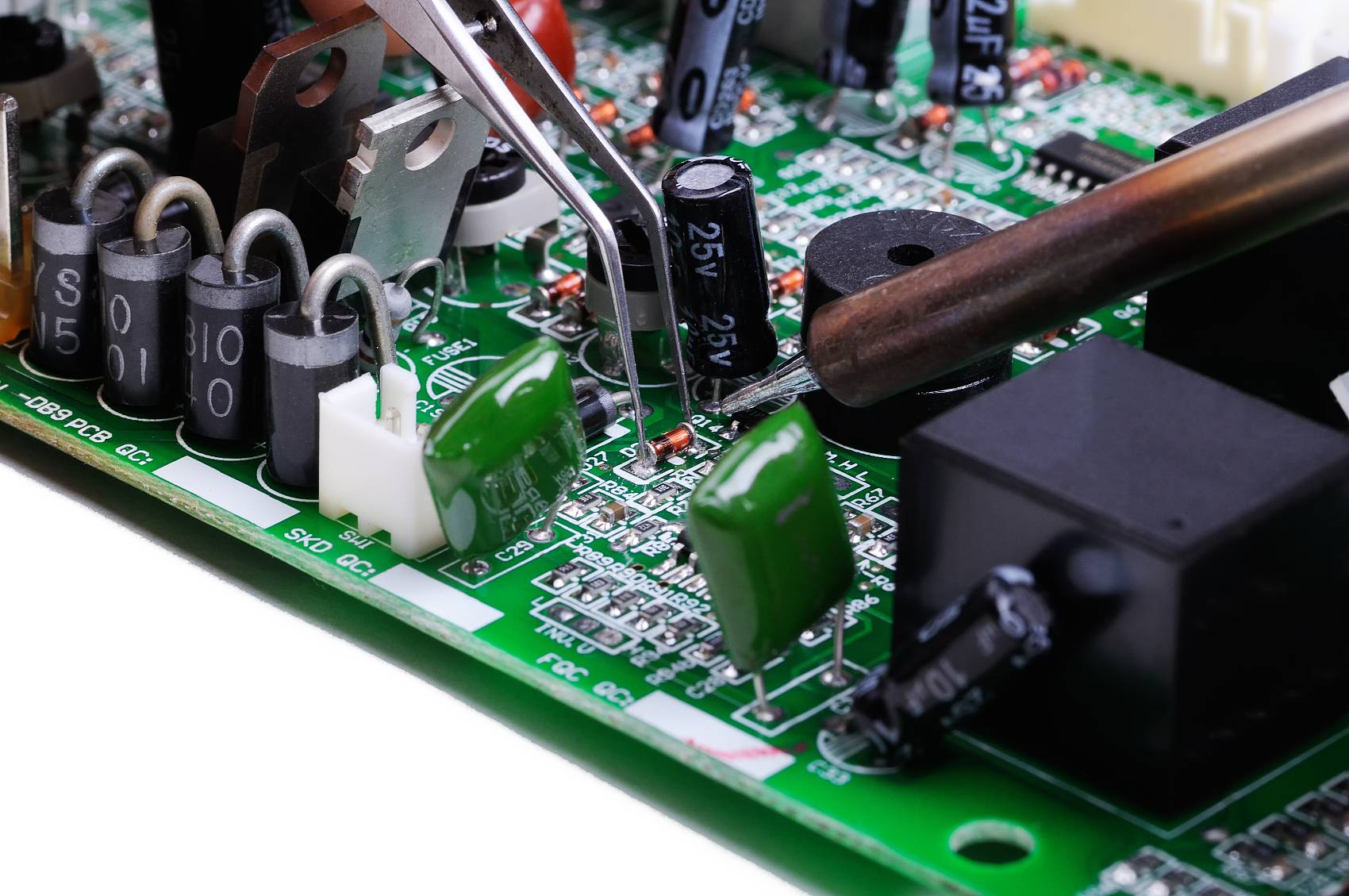
1.A good installation environment can to some extent improve the service life of relays. Choose a location with good ventilation and heat dissipation to install the relay, because when the relay is working, a portion of the energy generated by the magnetic field will be converted into heat energy. Once the temperature of the relay reaches a certain level, it will cause the relay to malfunction and fail to work. At the same time, it is necessary to stay away from interference sources such as strong magnetic fields and strong electric fields to ensure the normal operation of the relay.
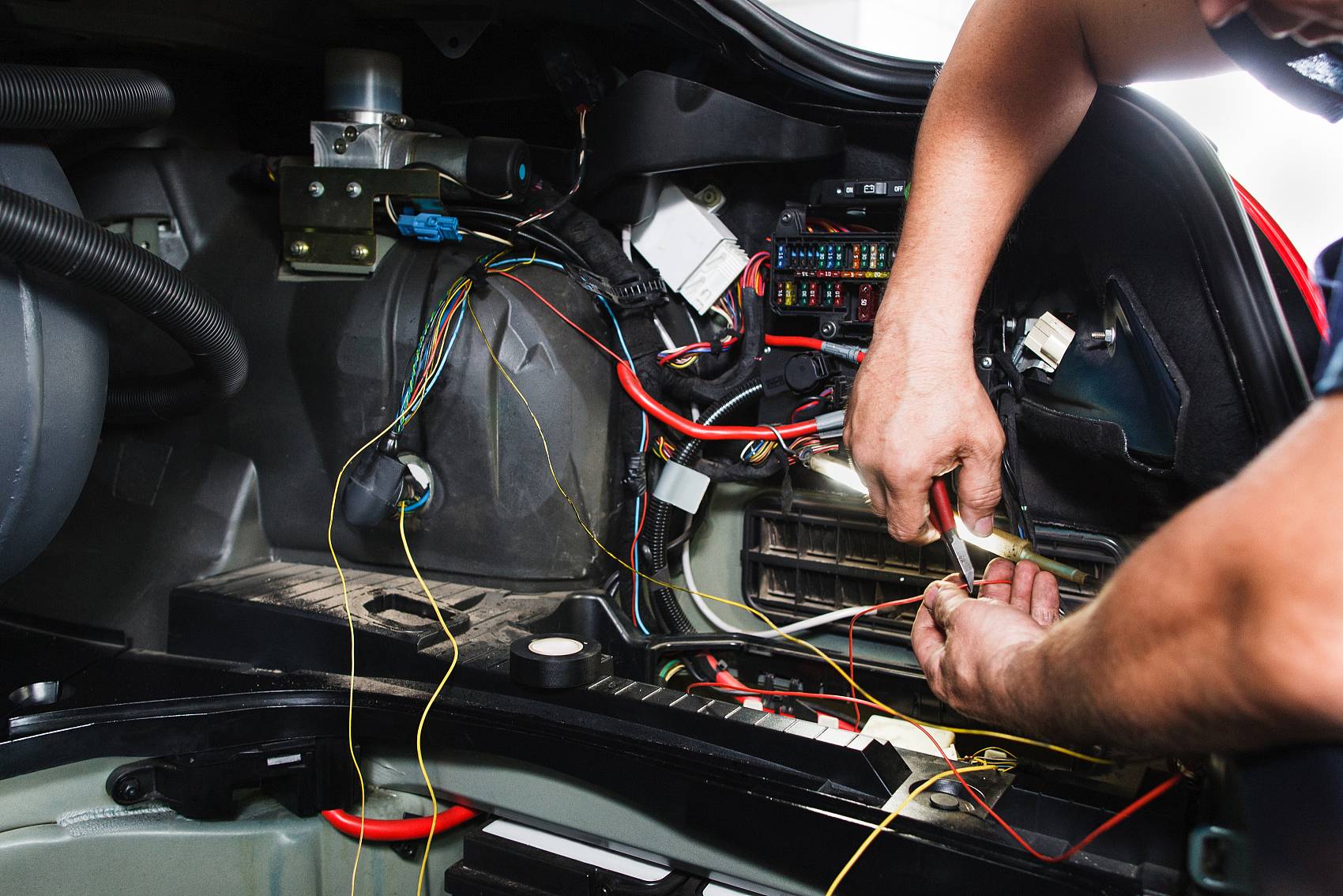
2.The correct installation method is also very important. Generally, relay suppliers will provide the correct installation method, and users should strictly follow the installation instructions of the relay to ensure a firm and reliable installation. To avoid problems such as poor contact and looseness of relays caused by improper installation.
QIANJI provides you with reliable installation and after-sales service
Usage standards
1. Control the input signal to be stable. The input signal of the relay (such as control voltage, current, etc.) should remain stable to avoid excessive fluctuations or sudden changes, so as not to affect the normal operation of the relay.
2. Avoid frequent operations. Frequent switching operations can accelerate the wear of relays and reduce their service life. In practical applications, unnecessary operations should be minimized as much as possible.
3. Prevent overload. During use, the size of the load should be strictly controlled to avoid exceeding the rated load of the relay. If larger loads need to be controlled, multi-level relays or other control methods can be considered.
Regular maintenance
1. Cleaning inspection:
The cleaning and maintenance of relays are also important. Keeping the relay clean can create a good working environment for the relay contacts, thereby ensuring the normal operation of the contacts and extending the service life of the relay. Cleaning the relay can effectively remove impurities such as dust and oil on its surface. Not only can it ensure that the relay has good heat dissipation performance, but it can also have excellent insulation performance. Finally, it is necessary to carefully inspect the appearance of the relay to see if there are any abnormalities such as damage or deformation.
The cleaning and maintenance of relays are also important. Keeping the relay clean can create a good working environment for the relay contacts, thereby ensuring the normal operation of the contacts and extending the service life of the relay. Cleaning the relay can effectively remove impurities such as dust and oil on its surface. Not only can it ensure that the relay has good heat dissipation performance, but it can also have excellent insulation performance. Finally, it is necessary to carefully inspect the appearance of the relay to see if there are any abnormalities such as damage or deformation.
2. Electrical parameter testing:
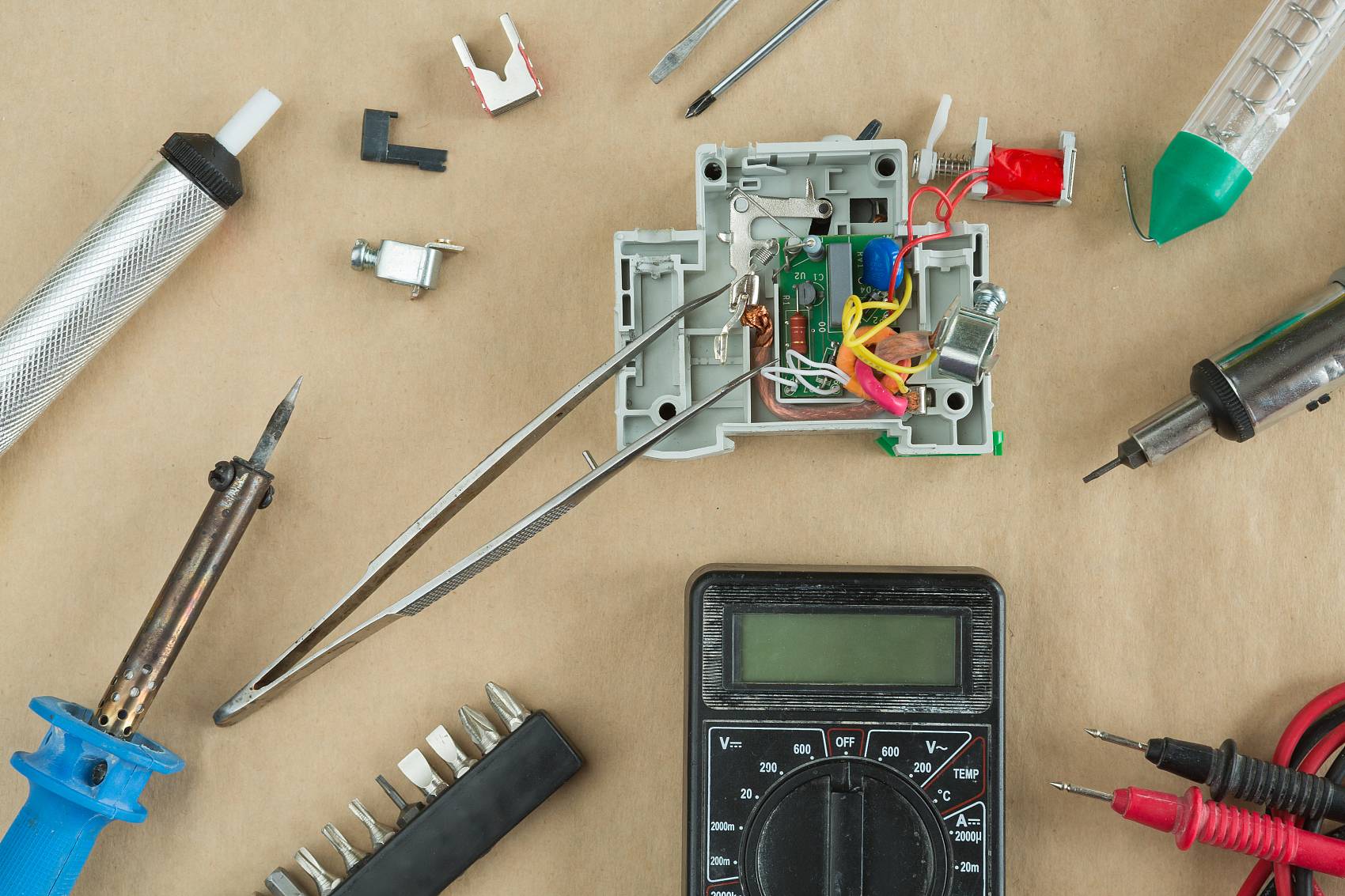
Regular electrical parameter testing of relays is necessary to accurately understand their working status and performance. If the relay parameters change, we can also promptly detect and replace them. For example, measuring coil resistance can determine the on/off status of the coil and whether there are short circuits or other issues. If the coil resistance is abnormal, it may cause the relay to fail to properly engage or release, affecting the operation of the entire circuit. The electrical parameter testing of relays is of great significance for ensuring the reliability of relay performance, extending its service life, and ensuring the normal operation of equipment. Regularly conduct electrical parameter tests on relays and take corresponding maintenance measures based on the test results to ensure that your equipment can operate stably and efficiently.
Contact us for relay solutions
Search Term:relay malfunction,relay installation,overload relay selection,choosing a relay
What is an air conditioning compressor relay
how to use relay in logic pro